The Ultimate Source for Understanding Pet Dog Training Approaches and Finest Practices
Recognizing dog training methods and finest practices is crucial for any canine owner. Various methods exist, each with one-of-a-kind benefits and challenges. Favorable support has become a favored method, yet numerous false impressions linger. Discovering these approaches can light up reliable methods and disclose the nuances of canine actions. As the trip unravels, one may find invaluable sources that boost both training and the bond with their pet. What understandings wait for those going to discover better?
Understanding the Basics of Pet Dog Training
Efficient canine training depends upon a strong understanding of its basic principles. At its core, canine training entails educating a dog to react to commands and behave properly in different circumstances. This process requires consistency, patience, and positive support, which motivates desired habits while inhibiting undesirable ones.
Understanding canine behavior is vital, as it aids fitness instructors recognize how canines find out and interact. Variables such as socialization, setting, and private temperament play substantial functions in shaping a canine's feedback to training. In addition, establishing a bond based upon trust and regard improves the training experience for both the fitness instructor and the canine.
Clear interaction is important, as pet dogs react best to easy commands and hints. By laying a solid structure rooted in these basic principles, fitness instructors can properly direct their pets toward becoming well-behaved buddies. This understanding establishes the stage for discovering more specialized training techniques in succeeding conversations.
Popular Canine Training Methods Described
In the domain name of pet dog training, numerous approaches have actually gained appeal among trainers and animal owners. Favorable reinforcement techniques concentrate on gratifying wanted behaviors, while clicker training supplies a details way to mark those behaviors efficiently. Understanding these strategies can enhance the training experience for both dogs and their trainers.
Positive Reinforcement Strategies
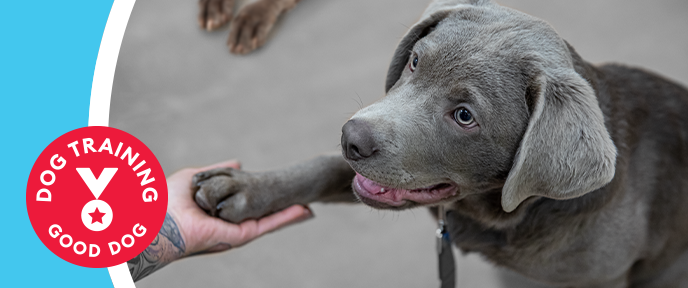
Favorable reinforcement methods have actually become a cornerstone of contemporary pet training, emphasizing the value of fulfilling preferable behaviors to urge their rep. This method focuses on providing positive stimuli, such as treats, praise, or play, instantly after the canine carries out the wanted action. The underlying principle is that pet dogs are more probable to repeat behaviors that lead to positive results. Trainers commonly utilize this technique to show commands, customize behaviors, and develop depend on in between the pet dog and trainer. Uniformity is crucial; benefits should be timely and particular to enhance the organization in between the actions and the incentive. Generally, positive reinforcement advertises a delightful and healthy and balanced discovering atmosphere for both canines and their owners, fostering a solid bond.
Clicker Training Basics
Many dog instructors include clicker training as a popular approach to improve communication with their pets. This strategy uses a small tool that gives off a distinctive clicking audio to mark preferred habits instantly. The click serves as a signal to the dog that they have actually performed the right action, adhered to by an incentive, usually a treat. Unlike other training techniques, remote control training stresses timing and uniformity, which assists pets comprehend what is expected of them. Trainers commonly start with standard commands, progressively advancing to extra complicated jobs. This approach fosters a favorable understanding atmosphere, enhancing the bond between canine and owner. Because of this, clicker training is acknowledged for its performance and flexibility throughout numerous pet breeds and training situations.
Positive Reinforcement: One Of The Most Reliable Strategy
Positive reinforcement sticks out as one of the most effective canine training methods because of its countless benefits for both instructors and canines. By rewarding preferred behaviors, proprietors can cultivate a positive discovering environment that urges their pet dogs to repeat those actions. Typical techniques, such as treats, appreciation, and play, play a vital role in successfully executing this approach.
Advantages of Favorable Reinforcement
While numerous training methods exist, favorable reinforcement has actually become among the most reliable strategies for forming preferred behaviors in dogs. This technique encourages animals to repeat desirable actions by compensating them with deals with, appreciation, or play. One significant advantage is the establishment of a solid bond in between the instructor and the dog, cultivating trust and collaboration. Additionally, favorable support decreases anxiety and stress and anxiety, advertising a much more delightful knowing setting. It enhances the canine's total wellness, as they discover in a worry-free ambience. Pets educated via favorable reinforcement have a tendency to exhibit far better retention of found out behaviors, leading to lasting obedience and enhanced socialization. Ultimately, this method sustains a harmonious connection between pets and their owners.
Typical Strategies Clarified
Exploring various training methods exposes that favorable support stands apart as the most effective technique for canine training. This method focuses on fulfilling preferred behaviors, making it simpler for canines to associate activities with positive end results. Rewards, appreciation, and play work as motivations, encouraging pets to repeat good habits. Unlike corrective approaches, favorable support cultivates a trusting connection in between dog and owner, reducing anxiety and anxiousness. Furthermore, Visit This Link this technique has actually been shown to improve a pet's enthusiasm for learning. Usual methods consist of clicker training, where an unique noise notes Continued the desired actions, and using high-value incentives for tough tasks. Generally, favorable support not only promotes effective training yet likewise supports a well-adjusted and delighted canine companion.
Typical Misconceptions Regarding Pet Dog Training Unmasked
Several pet dog proprietors drop victim to usual misconceptions concerning training, often causing complication and stress. One prevalent misconception is that a pet dog's habits is only identified by type, recommending that certain types are naturally hard to educate. Actually, individual individuality and training techniques play an even more significant duty. Another misunderstanding is that penalty is needed for reliable training. Positive reinforcement has actually shown to be more reliable in promoting preferred actions. Additionally, some believe that older pets can not learn brand-new methods, however pet dogs of any age can adjust and discover with the ideal technique. The concept that training must be very easy and quick often leads to unrealistic expectations. Successful training needs patience, time, and uniformity. By unmasking these misconceptions, dog proprietors can embrace much more efficient training techniques, leading to much healthier partnerships with their animals and boosted habits on the whole.
Tips for Effective Dog Educating Procedure
Effective pet dog training sessions are developed on a foundation of clear interaction and positive reinforcement, making sure that both the fitness instructor and the canine understand the expectations. To make the most of efficiency, fitness instructors should preserve a calm and person temperament, as dogs often mirror human emotions. Consistency is important; commands and hints must be used evenly to avoid complication.
Short, focused training sessions, normally lasting 5 to 15 minutes, can boost retention and interaction. Including a range of workouts keeps the sessions stimulating and avoids monotony. Making use of high-value deals with or toys can motivate the dog and enhance wanted habits.
Timing is important; benefits need to be given promptly after the preferred behavior to establish a clear link. Finishing each session on a favorable note, with praise or play, cultivates a feeling of achievement and excitement for future training. These methods collectively add to effective and enjoyable training experiences.
Building a Stronger Bond With Your Pet Dog Via Training
A solid bond in between a canine and its owner can significantly improve the training experience. This connection fosters trust fund, making the canine much more receptive to finding out. Involving in regular training sessions allows proprietors to connect her latest blog effectively with their pet dogs, reinforcing positive behaviors while constructing common regard.
Favorable support techniques, such as treats and praise, strengthen this bond, motivating canines to link training with delightful experiences. In enhancement, including play into training can make discovering fun, boosting the emotional connection.
Comprehending a pet dog's body movement is also vital; it provides insights into the canine's convenience and readiness to involve. When owners react properly to their pet's signals, they grow a feeling of safety and security and understanding.
Inevitably, spending time in training not only boosts obedience however likewise strengthens the emotional connections in between pet dogs and their proprietors, leading to a harmonious and meeting partnership.
Resources for Continued Understanding and Assistance
To improve their pet training journey, owners can access a variety of sources that provide ongoing understanding and assistance. Dog Training Near Me. On the internet systems such as webinars, courses, and online forums allow family pet owners to connect with skilled trainers and fellow dog lovers. Web sites like the Organization of Professional Dog Trainers (APDT) use beneficial short articles and ideas on varied training methods
Books authored by reliable fitness instructors act as exceptional guides for comprehending various methods and approaches. Regional community facilities and animal stores usually host training courses, supplying hands-on experience and socialization chances for both dogs and their proprietors. In addition, social networks teams can offer real-time guidance and encouragement, producing a helpful network.
Podcasts focused on pet training subjects can also be a hassle-free way for proprietors to soak up brand-new info while on the move. Together, these sources foster continuous understanding, making certain that pet dog owners continue to be equipped to nurture their canine friends effectively.
Often Asked Questions
How Lengthy Does It Require To Train a Pet Dog Properly?
The time needed to educate a canine properly varies especially, relying on factors such as the pet dog's age, type, temperament, and the uniformity of the training methods utilized. Generally, it can take several weeks to months.
Can I Train My Dog Myself or Should I Work with an Expert?
Identifying whether to educate a pet dog separately or employ a specialist depends upon the owner's experience, the pet dog's temperament, and details training needs. Dog Training Near Me. Both strategies can be reliable, yet assistance may enhance the procedure significantly
What Age Is Finest for Starting Pet Training?
The most effective age for beginning pet training commonly drops between 8 to 16 weeks. At this phase, young puppies are most responsive to learning, making it an excellent time to establish fundamental abilities and socialization.
How Do I Correct Unwanted Actions in My Pet dog?
To deal with unwanted behaviors in a dog, consistency is key. Methods such as favorable reinforcement, redirecting attention, and establishing clear commands aid guide the canine toward preferred activities, promoting far better habits gradually.
Exist Particular Types That Are Easier to Train?
Certain breeds, such as Boundary Collies, Poodles, and Labrador Retrievers, are frequently considered simpler to educate because of their intelligence and desire to please. Nonetheless, private character and proprietor uniformity also substantially affect training success.
Understanding pet training methods and best techniques is crucial for any kind of dog proprietor. Favorable reinforcement stands out as one of the most reliable pet dog training strategies due to its various benefits for both trainers and pets. Successful pet dog training sessions are constructed on a structure of clear interaction and positive reinforcement, making sure that both the dog and the instructor understand the expectations. The time called for to educate a dog successfully differs especially, depending on variables such as the dog's age, type, temperament, and the uniformity of the training techniques made use of. Determining whether to train a pet separately or employ an expert depends on the proprietor's experience, the pet's character, and particular training demands.